Nine alumni and one faculty member from the Department of Civil, Architectural and Environmental Engineering at The University of Texas at Austin have been elected to the Academy of Distinguished Alumni.
These distinguished graduates are recognized for their expertise in their fields, advancements in research and education, and strong leadership qualities.
The department established the Academy of Distinguished Alumni to acknowledge the professional achievements and contributions of its graduates. Twenty-seven charter members were inducted into the academy in 2003, and over 125 additional members have been selected since.
“I am very excited for and proud of the new members of the Academy,” said Department Chair Bob Gilbert. “The way we change the world is through our alumni. Their success fosters the success of our department and our future alumni. Hook ‘em Horns!”
William M. Camp III (M.S. 1988)
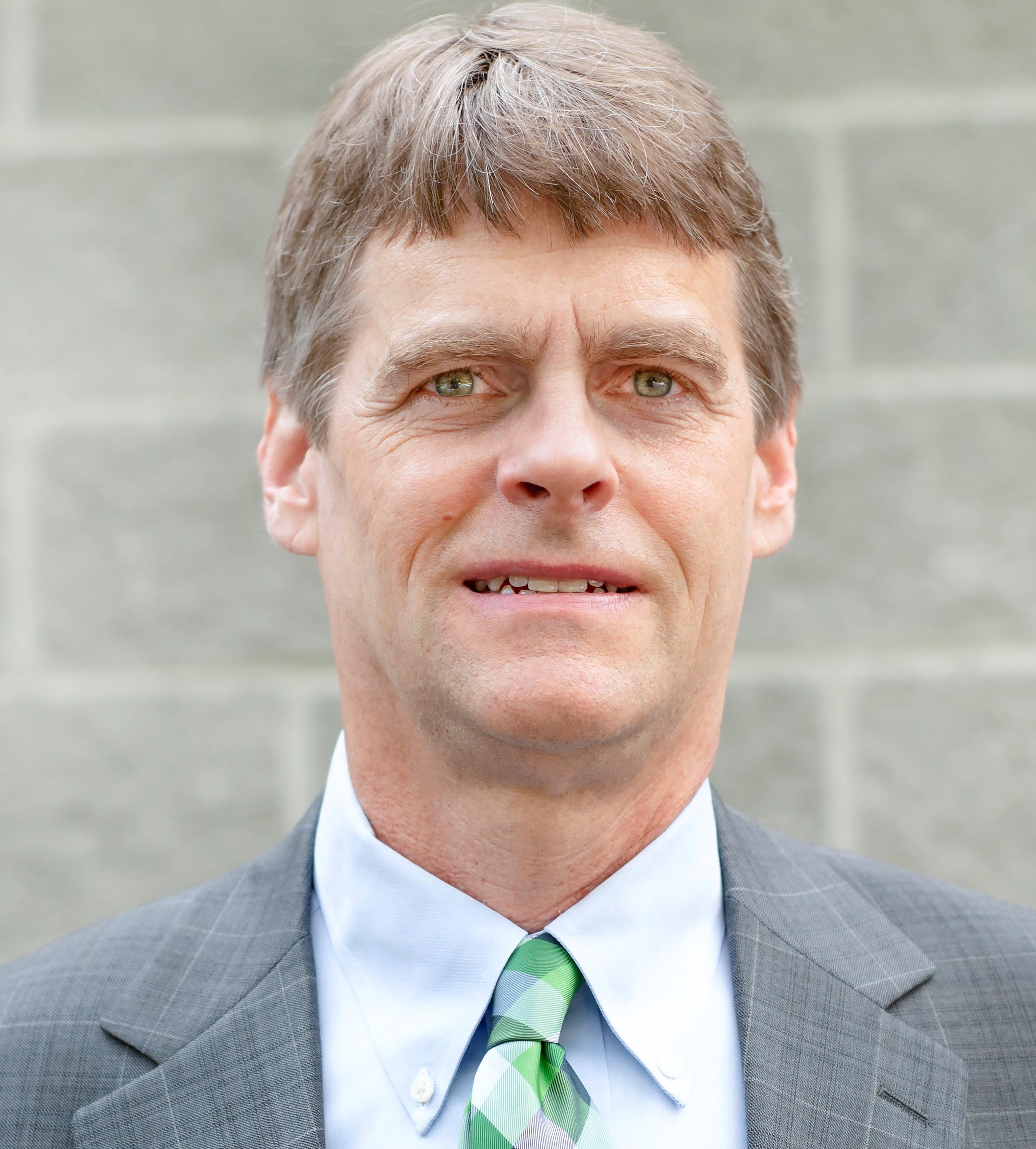
William M. Camp, III, PE, D.GE, is a technical principal, vice president and senior engineer at S&ME, Inc. in Charleston, SC. With over thirty years of experience, Camp specializes in geotechnical engineering and project management, focusing on the analysis, design and construction of deep and shallow foundations, slope stability and geotechnical earthquake engineering.
Camp has led geotechnical engineering projects for numerous port facilities along the Atlantic and Pacific coasts and provided site characterization and engineering services for various bridge projects, including the notable Ravenel Bridge in Charleston, SC. His expertise in seismic stability and liquefaction mitigation is highly regarded, particularly in high seismic hazard areas.
In addition to his practical engineering work, Camp has contributed to significant research, including a National Science Foundation project on the liquefaction resistance of aged sands. He holds a B.S. in civil engineering from the University of Virginia, an M.S. in civil engineering from The University of Texas at Austin and has undertaken doctoral studies in geotechnical engineering at the Georgia Institute of Technology. A registered professional engineer in Virginia and South Carolina, Camp is also a diplomate of The Academy of Geo-Professionals and an active member of several professional organizations.
Robert B. Daigh (B.S. 1977)
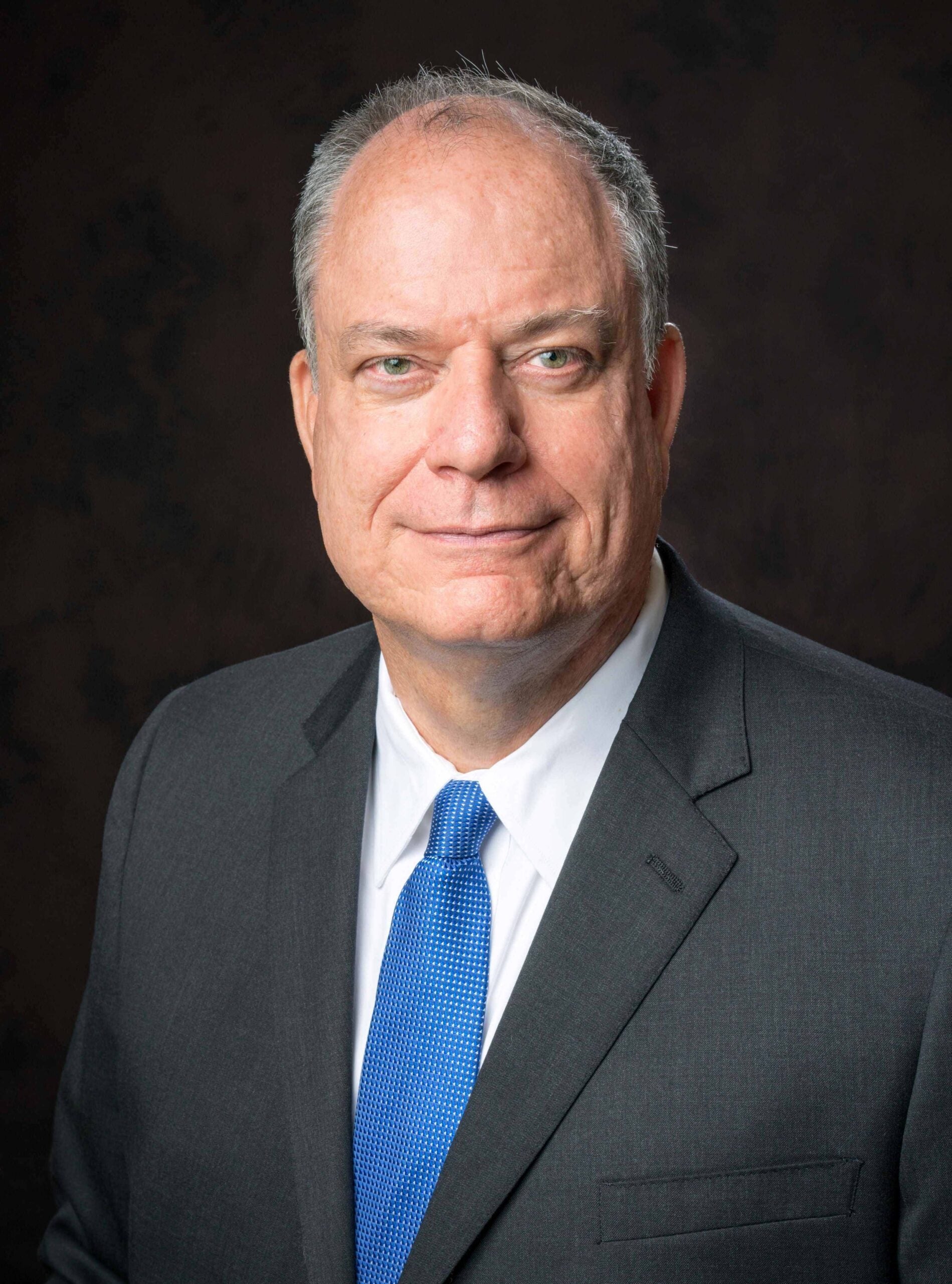
Robert B. Daigh, P.E., became the Austin district engineer for the Texas Department of Transportation in 2003. His duties give him responsibility for all state transportation construction, operation, and maintenance projects in the 11-county Austin District. This includes toll roads, such as the Central Texas Turnpike Project, the nation’s largest toll road construction project.
Prior to his latest appointment, Daigh served as both the deputy director and the director of turnpike planning and development for the Texas Turnpike Authority Division (TTA) of the Texas Department of Transportation (TxDOT). In 1977, Daigh graduated from The University of Texas at Austin with a B.S. in civil engineering and began his professional career in Houston as a consulting engineer. Four years later, he transferred to the consultant’s Austin office, where he held positions as lead structural engineer and manager of public works.
He began his TxDOT career in 1988 as an engineer in the Austin District’s Georgetown Area office. He also served as an assistant area engineer and the district programming and contracts engineer before being promoted to TTA. Daigh is a past president of the Central Texas Chapter of the American Concrete Institute, served as the State National Engineering Design Challenge coordinator and was a 1999 director of the Capitol Area Chapter of the Texas Society of Professional Engineers. He was further honored in 2003 with Texas A&M’s Gibb Gilchrist Award, recognizing his outstanding service in highway engineering with TxDOT.
Richard B. Easley (B.S. 1992, M.S. 1994)
Richard Easley has taken a leading role in the planning and deployment of Intelligent Transportation Systems (ITS) on a national scale. His advancement of ITS has benefited the traveling public, Department of Transportation agencies, toll authorities, the freight industry, law enforcement and travel information providers. As founder and president of his own firm, E-Squared Consulting, he is currently growing his international reach and celebrating 20 successful years in business.
At UT, Richard also served as the ASCE President and served as a mentor for struggling students through the Equal Opportunity in Engineering program. A few years after graduation, he found his true calling when he discovered the world of transportation technology. He started a small firm with three employees and has been working alongside other transportation leaders around the globe ever since.
Richard’s diverse expertise also includes program management, design, planning transportation and feasibility studies, and materials inspection and testing. His firm also provides ITS outreach education and training to federal, state, and municipal transportation agencies. His firm’s interactive training program focuses on topics such as operations and maintenance, public transportation systems operations and deployment strategies.
Richard has served on many committees for the Transportation Research Board (TRB), ITS America, the Institute of Transportation Engineers (ITE), the Commercial Vehicle Safety Alliance and more. He recently received a TRB Blue Ribbon Committee Award as Chair of the Intermodal Freight Transport Committee. He has also given technology presentations and workshops throughout the U.S., Asia and Europe.
Richard says, “My greatest professional accomplishment has been when my colleagues or friends tell me that they learned something from me, that something I said stuck with them and made them a better professional or even a better person.” Richard feels very strongly that to whom much is given, much is expected. He also gives back through mission work in Central America, Haiti and Africa.
Karl A. Frank (Honorary)
Professor emeritus Karl Frank has had an enormous impact on the structural engineering profession through his teaching and research at UT. He served on the faculty for over 35 years and is recognized as an honorary member of the Academy of Distinguished Alumni for making a profound impact on substantial numbers of students, and for his significant research and administrative contributions that have enhanced the department. Outside of the University, his breadth and depth of knowledge in the field of structural engineering in so many areas have made him a world expert.
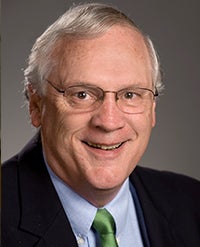
Karl joined the CAEE faculty in 1974 as an assistant professor and has a long history of innovative research on a variety of topics ranging from fatigue and fracture of structural steel, the behavior of stay cables, the design and behavior of structural connections, structural stability, non-destructive testing (NDT) evaluation of structural components and many other significant contributions to the structural engineering body of knowledge. Also known for being unselfish with his time and willingness to lend a hand, he is an admired member of our CAEE community. Throughout the years, he helped many faculty members and students achieve success, even if they were not on his project team.
In addition to teaching, Karl served two four-year teams as director of the Ferguson Structural Engineering Lab. Under his supervision, the laboratory evolved from static testing machines to one of the most versatile fatigue and dynamic closed-loop testing facilities in the world. Throughout his time at UT, he was a mentor to many, always leading by example and demonstrating the value of teamwork and ingenuity. Many of Karl’s students have gone on to make important contributions to academia, government and the private sector.
Karl’s research has brought international attention to the CAEE department, and he has received recognition and awards such as the ASCE Raymond C. Reese Research Prize, the ASCE James Croes Medal and the Lifetime Achievement Award from the American Institute of Steel Construction. His ability to fully understand the structural demands of a bridge, identify problematic designs from either a fabrication or erection perspective, and recommend improved details or fabrication techniques is a testimony to his unique abilities.
Karl is also proof that engineers never really retire – after “retiring” from UT. Karl went on to pursue a second career as chief engineer for the largest steel bridge fabricator in the U.S. Karl has trained countless students to be sound engineers, developed some of the top testing capabilities in the world, and utilized his skills to tackle issues that affect our safety. He has brought honor and recognition to the CAEE department at The University of Texas at Austin.
John (Jack) N. Furlong (B.S. 1974)
Jack Furlong, P.E., D. WRE, has 41 years of experience in consulting engineering and construction management. He has completed a wide range of water resource projects, including dams and reservoirs, pump stations, detention ponds, flood insurance studies, channel improvements, subdivision plans, flood plain studies, master drainage plans, levees and water and wastewater plans. Furlong has also designed and inspected bridges, buildings, roadways and landfills, served as a resident engineer for a major tollway extension and provided expert testimony on past drainage and landfill permit litigation.
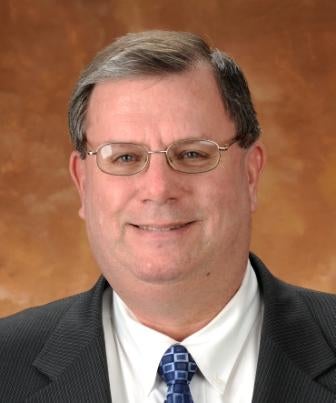
Furlong completed the civil site plans for more than 120 commercial and industrial development sites, including shopping centers, apartment complexes, churches, buildings, and new subdivisions. He also assisted surveyors, clients and architects in processing plats, site plans and building permits through the different regulatory entities at the city, county, state and federal levels, like FEMA and COE.
Furlong worked as an independent consultant for the Baltimore District, Fort Worth District U.S. Army Corps of Engineers, assisting project teams in the Hydrology and Hydraulics Branch. He’s also worked as an independent consultant for FEMA on Flood Disaster Assistance in North Dakota. After Hurricane Ike, Furlong assisted the Galveston County Engineer’s office on post-disaster property assessments. He’s owned a consulting firm for 7 years in the Austin area and formed a joint venture firm with Tom Gebhard for five years.
Furlong has published over 40 papers and taught more than 10 seminars/webinars on topics like HEC-2, NPDES-stormwater permitting, landfill design, dam breach modeling and construction management issues.
Deb A. Niemeier (B.S. 1982)
Deb Niemeier is a distinguished civil engineer known for her work in identifying and addressing inequities in the built environment. Her research focuses on environmental pollutants and their disproportionate impact on disadvantaged communities, driven by a childhood experience in El Paso where she observed the harmful effects of industrial pollution crossing the Rio Grande River. This early exposure to environmental injustice has fueled her commitment to using engineering as a tool for promoting equity.
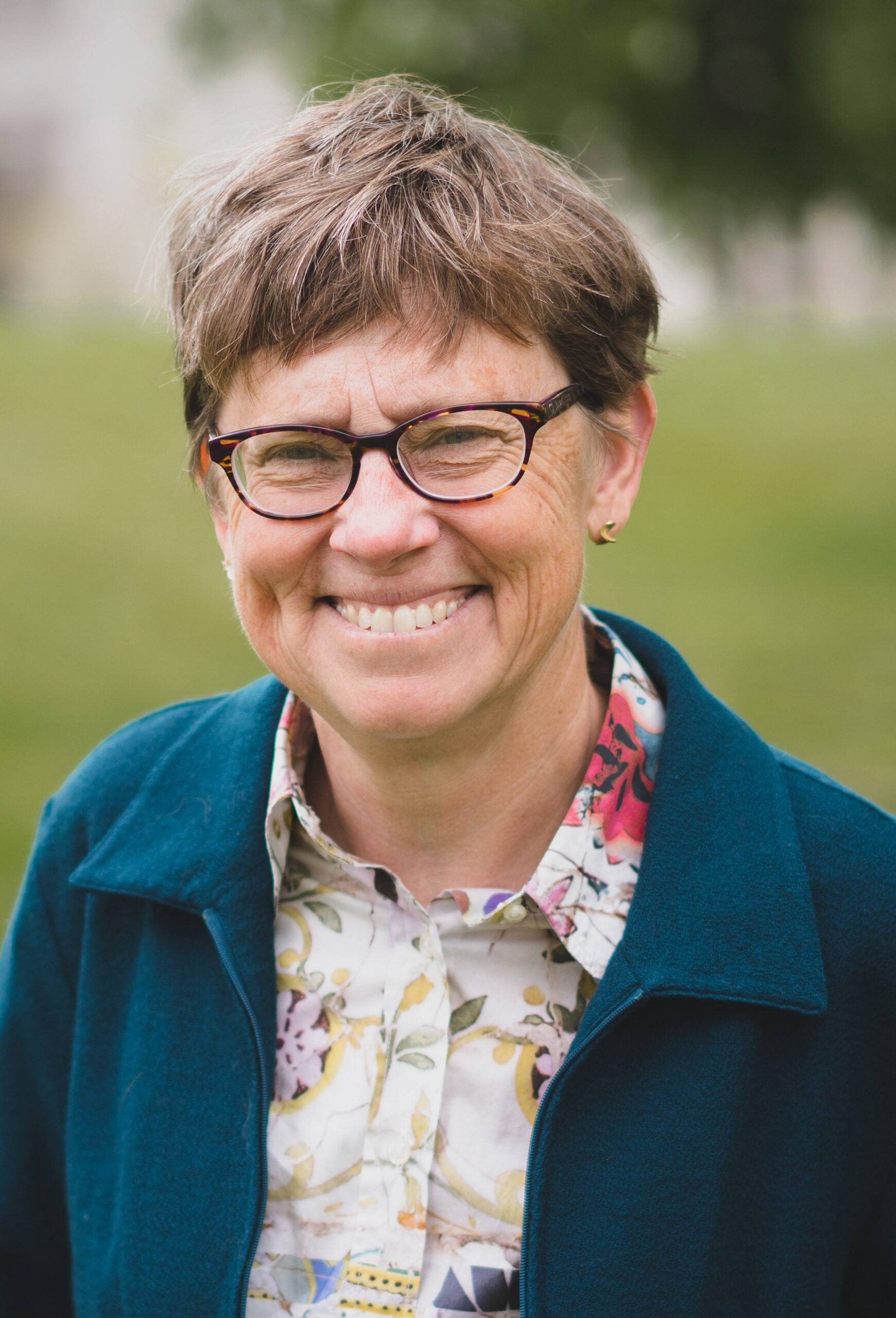
Niemeier’s academic journey began with an undergraduate degree in civil engineering from The University of Texas at Austin, followed by a doctorate from the University of Washington. Her career includes significant roles at the University of California, Davis, where she was chair of the Civil and Environmental Engineering Department and director of the John Muir Institute. In 2019, she joined the University of Maryland, College Park, as the Clark Distinguished Chair of Sustainability and director of the Center for Disaster Resilience.
Her research has had a profound impact on policy, providing data to link vehicle emissions and pollutants to health issues such as heart disease and asthma. This work has helped shape state and federal regulations aimed at reducing environmental health disparities. Beyond infrastructure, Niemeier has applied her expertise to studying COVID-19 spread and human trafficking networks, demonstrating her wide-ranging impact on pressing global issues.
Niemeier’s contributions extend beyond technical expertise; she embodies creativity, interdisciplinary collaboration, empathy, and a deep commitment to justice. Her recognition includes membership in the National Academy of Engineering and the American Philosophical Society and being a Guggenheim Fellow. Her career exemplifies the integration of engineering with advocacy for social and environmental justice.
Hong-Gun Park (Ph.D. 1994)
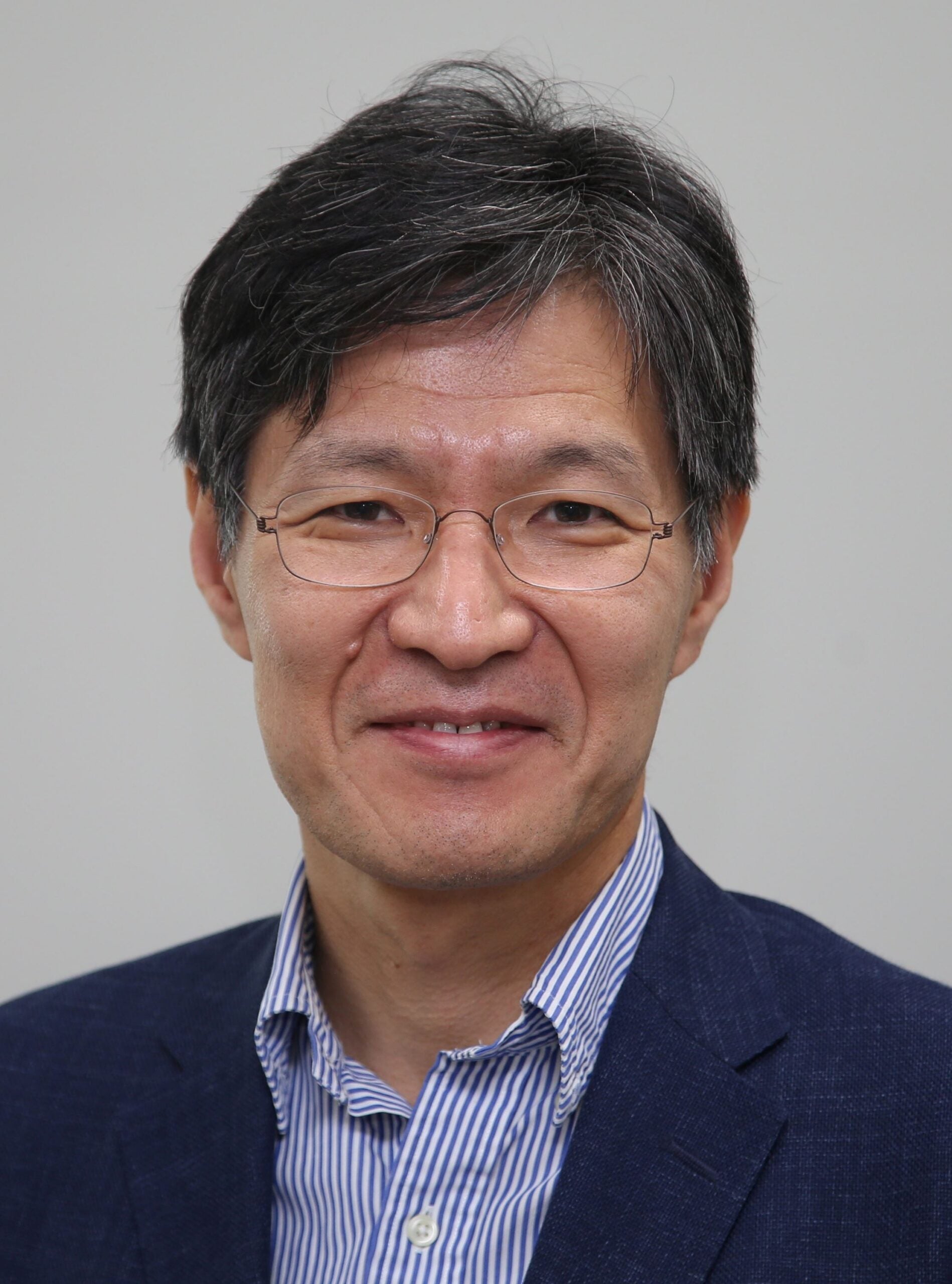
As a world-leading authority in the field of reinforced concrete and a pioneer of performance-based seismic design, Park has provided guidance on deformation-based strength models for building structures. He has published or contributed to over 200 research articles in world-renowned publications for organizations like the American Concrete Institute, the International Federation for Structural Concrete, the Korea Concrete Institute and more.
Park is a professor in the Department of Architecture & Architectural Engineering at Seoul National University, South Korea. Park has previously served as president of the Korea Concrete Institute and is a member of two national academies in South Korea.
Park received his Ph.D. from The University of Texas at Austin’s Department of Civil, Architectural and Environmental Engineering in 1994.
David H. Sanders (M.S. 1996, Ph.D. 1990)
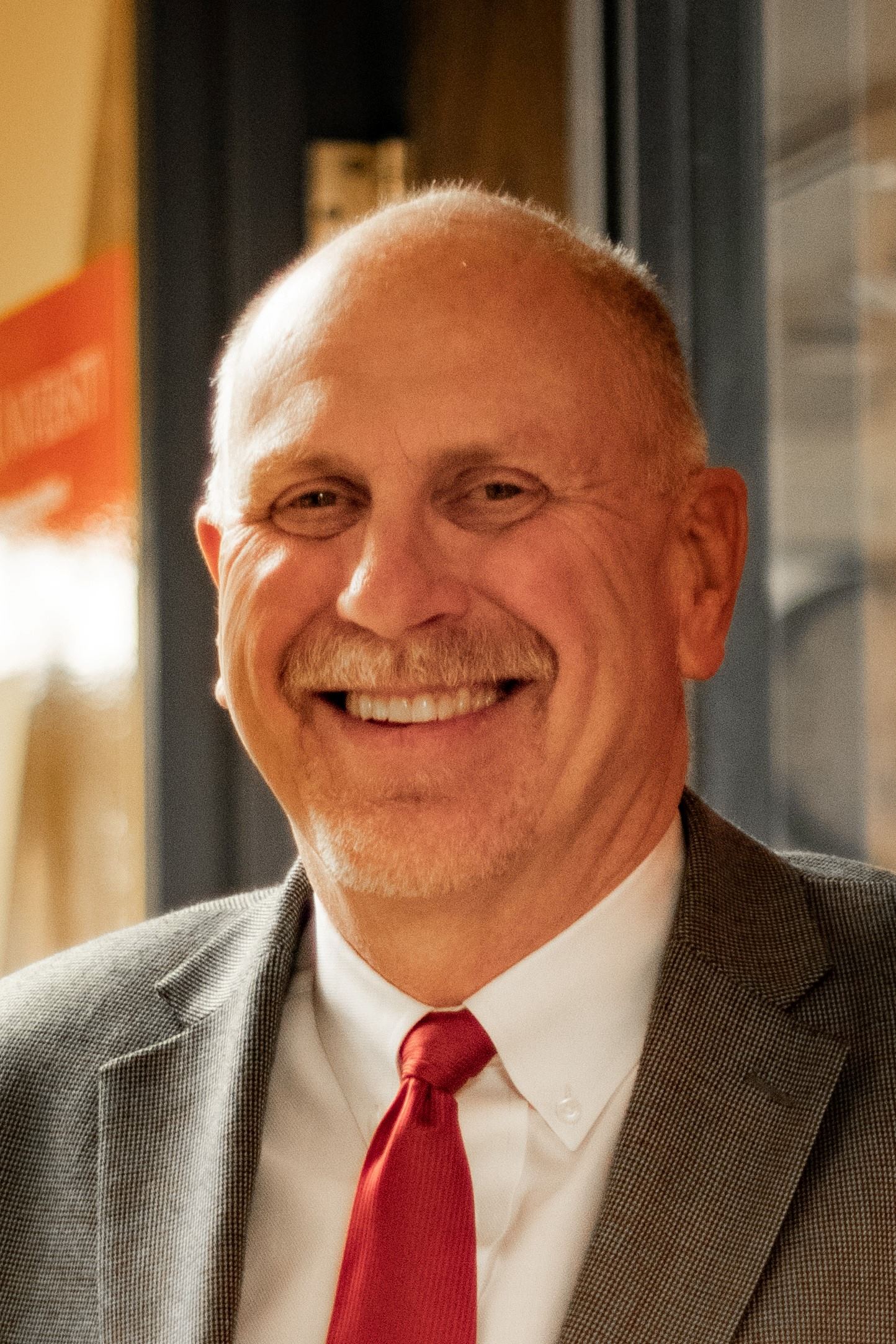
David Sanders is the Greenwood Department Chair and a professor in the Department of Civil, Construction and Environmental Engineering at Iowa State University. He came to Iowa State University as chair in 2018 after being at the University of Nevada, Reno, for 28 years in the Department of Civil and Environmental Engineering. His teaching and research focus has been on the behavior and design of structures in structural concrete, with emphasis on bridges and connections, especially in seismic regions. Much of his work involved large-scale experiments on the shake-table facility at the University of Nevada, Reno.
He loves teaching and research. As sole or co-adviser, he has graduated 23 Ph.D. and 38 M.S. students. He has over 300 research publications and received research grants totaling approximately $8 million as a principal investigator and $7 million as a co-principal investigator.
Examples of awards he has received include the Iowa State University Outstanding Young Alumnus Award and a Professional Progress in Engineering Award, the American Concrete Institute (ACI) Joe W. Kelly Award and the ACI Henry L. Kennedy Award, member of the Mexican National Academy of Engineering, and University of Nevada Foundation Professor Award. He is a fellow in the American Concrete Institute, American Society of Civil Engineers (ASCE) and Structural Engineering Institute (SEI).
He has been very active in service, especially within the American Concrete Institute, where he has served on the board and numerous committees, including chair of ACI 318E Sectional and Member Strength, ACI-ASCE/SEI Coordination Task Group, ASCE/SEI Committee on Concrete and Masonry Structures (CCMS), ACI-ASCE Committee 445 Shear and Torsion, ACI 445A Strut-and-Tie Model and ACI 341 Earthquake-Resistant Concrete Bridges. He has also been a member of the ACI 318-19 Building Code and Commentary and the ACI 318-19 Steering Committee. He has been president of the Iowa Chapter Board, American Concrete Institute, chair of the Iowa Highway Research Board, editorial board member of ACI Structural Journal and president of the ASCE Truckee Meadows Branch. He has held numerous positions at the University of Nevada, Reno, and Iowa State University, including chair of the Faculty Senate.
Thomas W. Schuessler (B.S. 1991)
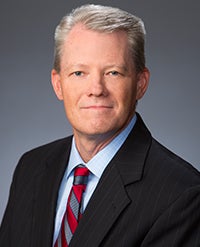
Thomas W. Schuessler was appointed president of ExxonMobil Upstream Research Company in November 2016. Schuessler earned a B.S. in civil engineering from The University of Texas before joining Exxon Company, U.S.A., in 1991 in Midland, Texas.
From 1991 – 2001, Schuessler held a number of technical, commercial and supervisory assignments in Texas and Louisiana. From 2002 – 2005, he held production operations managerial assignments in western Canada. In 2005, he assumed the role of senior corporate planning advisor at Exxon Mobil Corporate Headquarters. This was then followed by assignments in Malaysia as deputy production manager and in Norway as lead country manager and managing director of Esso Norge. In 2012, Schuessler assumed the role of ExxonMobil Production Company (EMPC) engineering vice president and then became EMPC Vice President of Americas in 2014, where he served until assuming his current leadership position with the Upstream Research Company. As president of ExxonMobil Upstream Research Company, Schuessler is responsible for developing and maintaining an industry-leading array of differentiating and proprietary technologies in support of the Corporation’s global resource pursuit and leadership position in exploration, development, production and gas commercialization.
David M. Stueckler (B.S. 1982)

David Stueckler, through his 42 years with Linbeck, has varied project experience in educational, corporate, health care and research markets. He has managed projects as the owner’s representative, program manager, project manager and builder. Today, as president and CEO, Dave applies lessons learned and best practices to personal priorities, including promoting the benefits of applied technologies and Lean, preserving the company’s innovative and creative culture, ensuring workplace safety, supporting industry education, generating corporate growth and opportunity, and expanding Linbeck’s volunteer community service initiatives.
Projects built under Dave’s leadership include the National Medal of Honor Museum, Rice Brockman Hall, University of Texas – Austin by Ellsworth Kelly, Tobin Center for Performing Arts, Cook Children’s Medical Center, Crystal Bridges Museum of American Art, Fort Worth Museum of Science and History and the Margot and Bill Winspear Opera House. During his career, he started Linbeck’s operational presence in both northern California and New England, delivering projects for Stanford University and Yale University. Dave has served the construction industry as an Associated General Contractors of America (AGC) board member in 2017 and 2018 and as AGC Building Division chair in 2018. He has served the UT CAEE department as a member of the External Advisory Committee from 2005 through 2008.